Greater Noida, India · Global B2B supply +91 78350 04500
Formulation · 6 min read

Choosing a Dosage Form: Capsules, Tablets, Powders or Gummies?

How actives, dose size, stability and consumer use shape the right format for a new product.
By Nature Elements5 November 2026

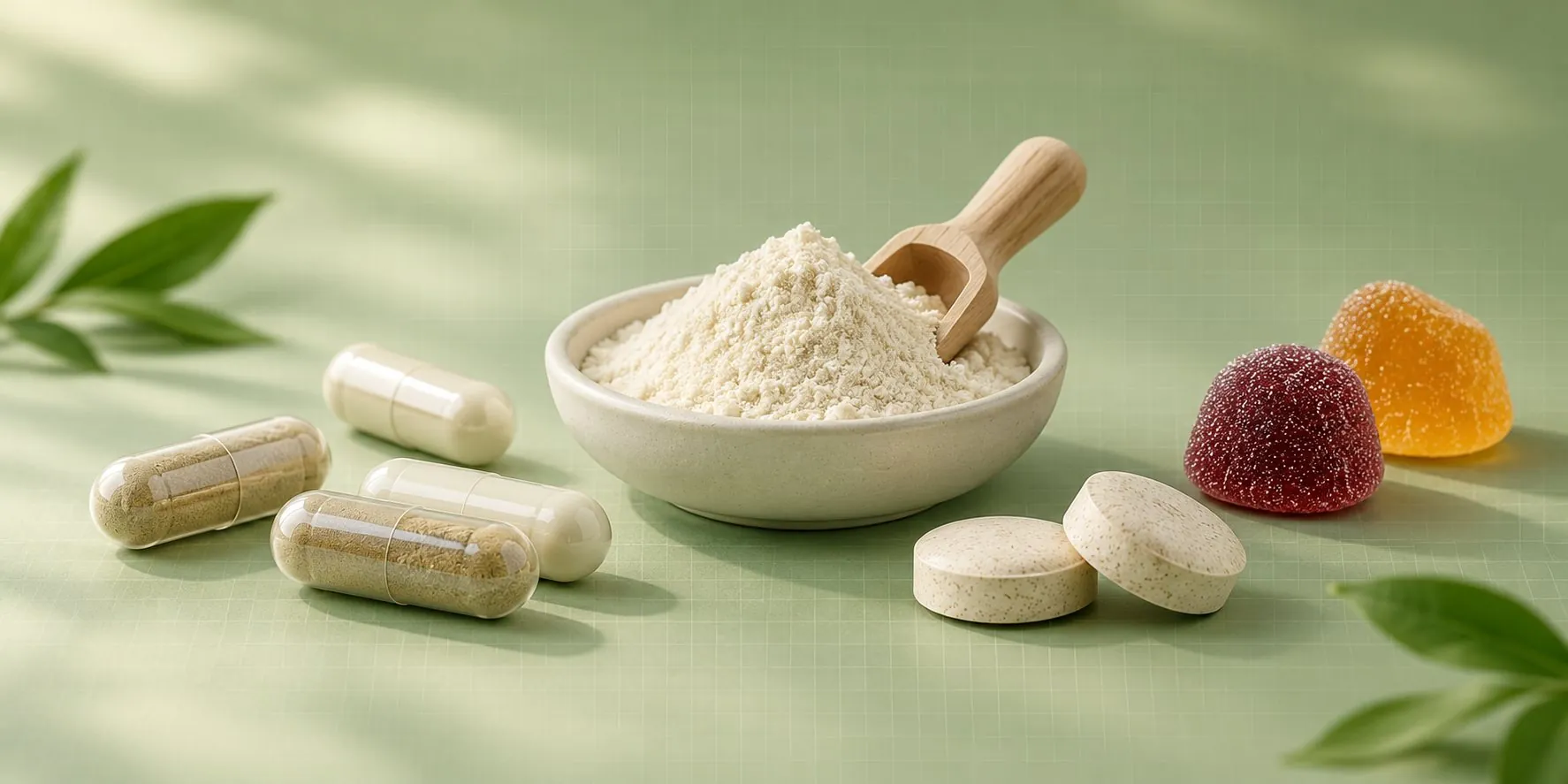
The dosage form is one of the first decisions in product development, and one of the hardest to reverse. It affects how much active fits in a serving, how stable the product is, what it costs to make and how consumers use it.

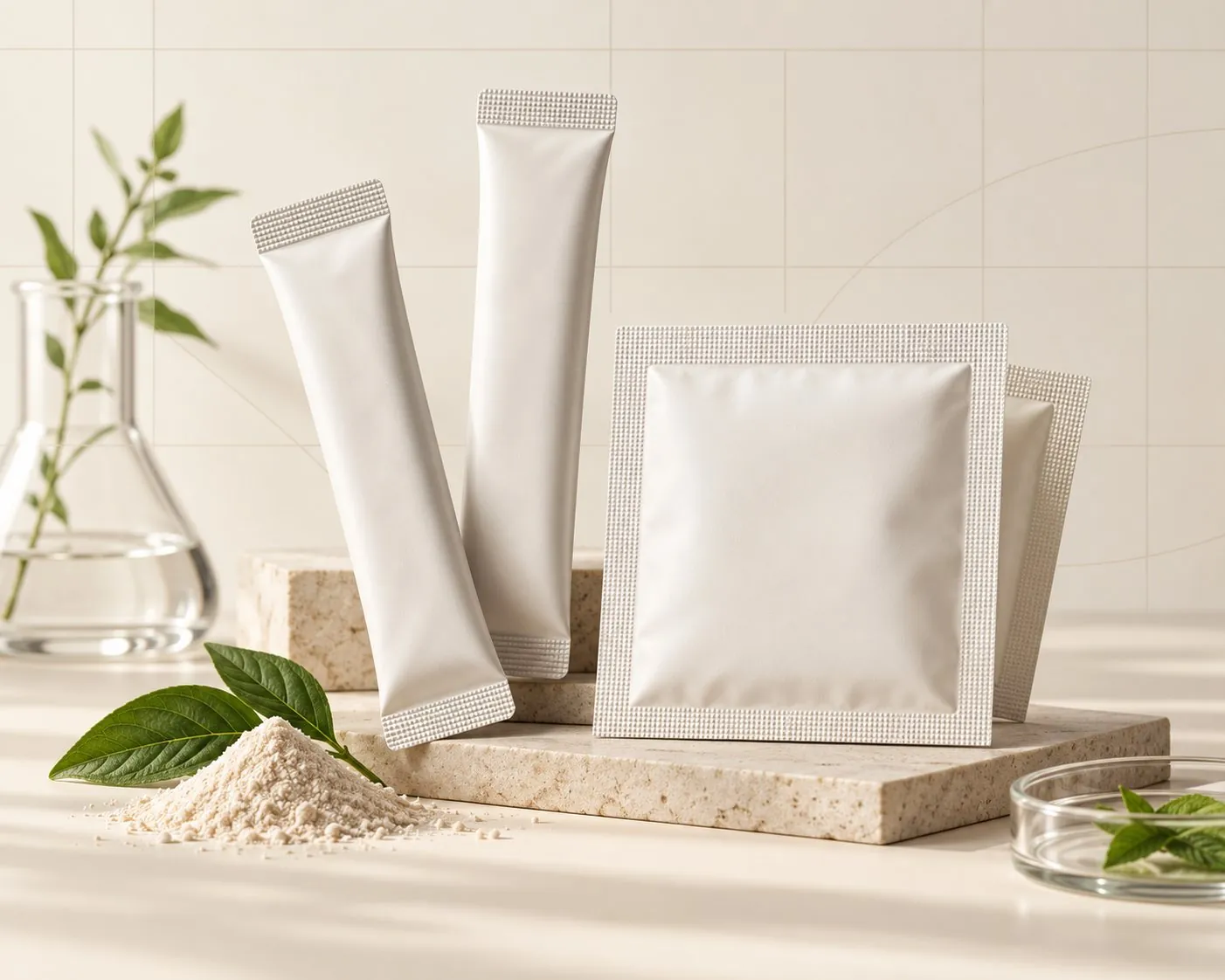
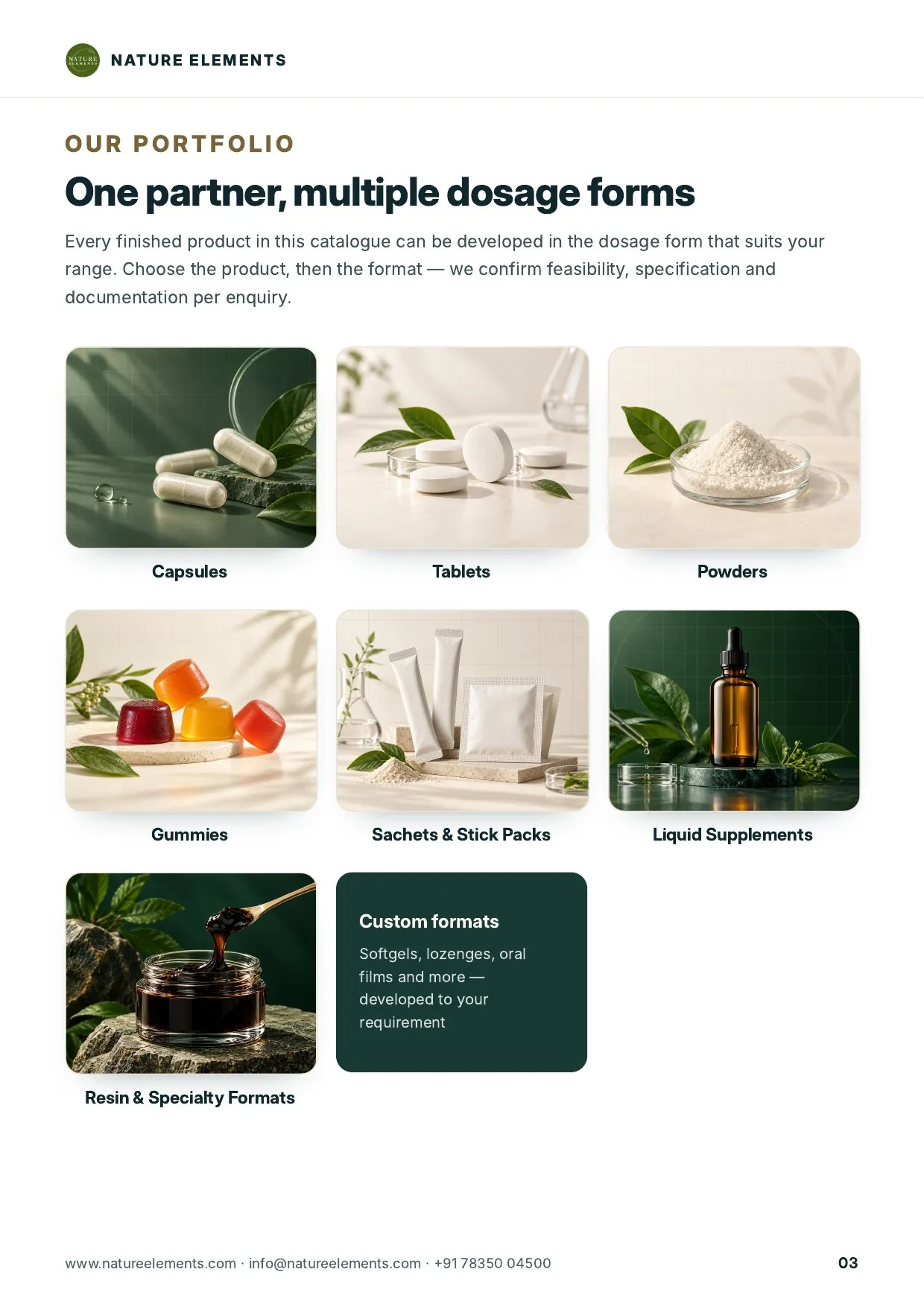
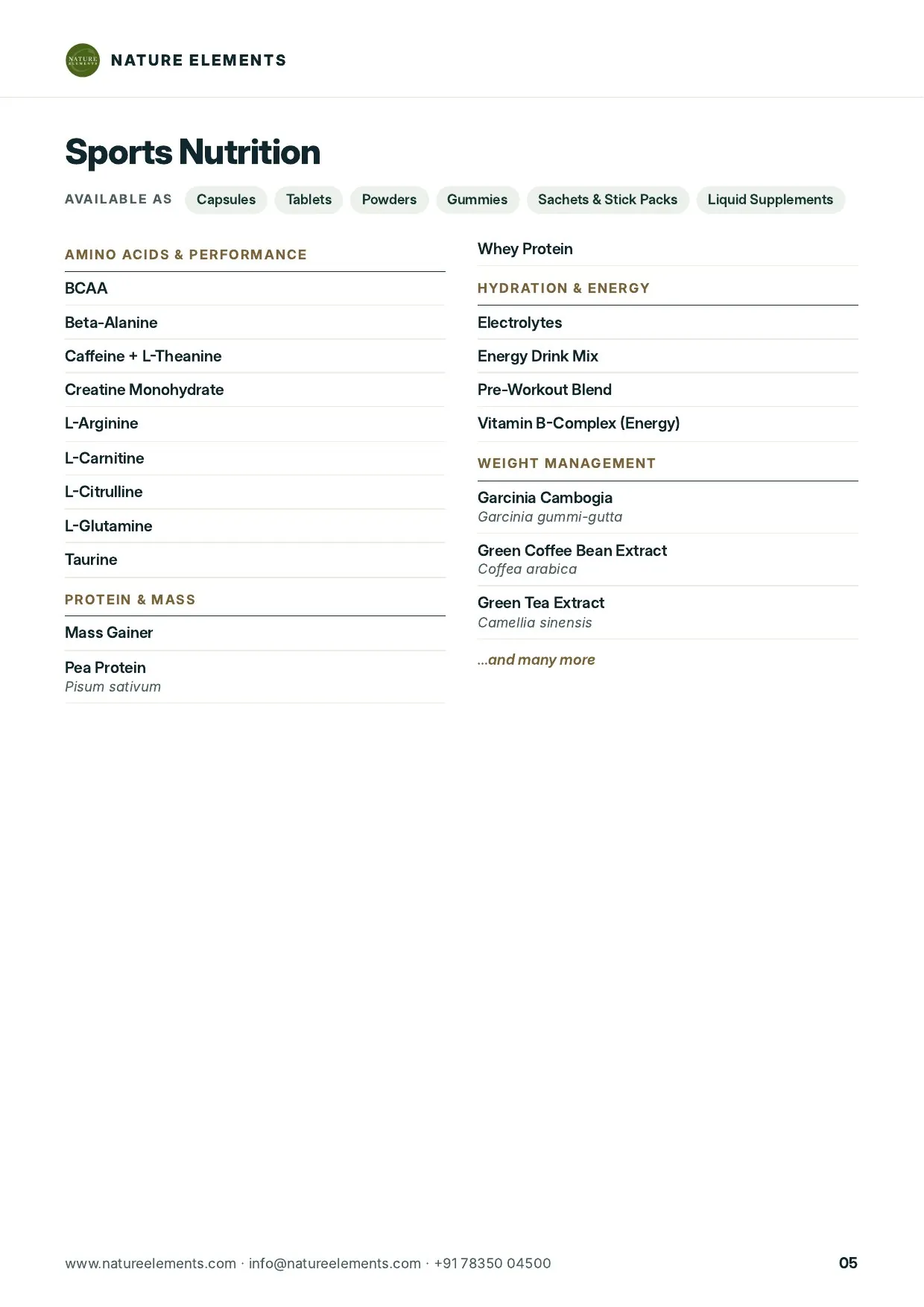
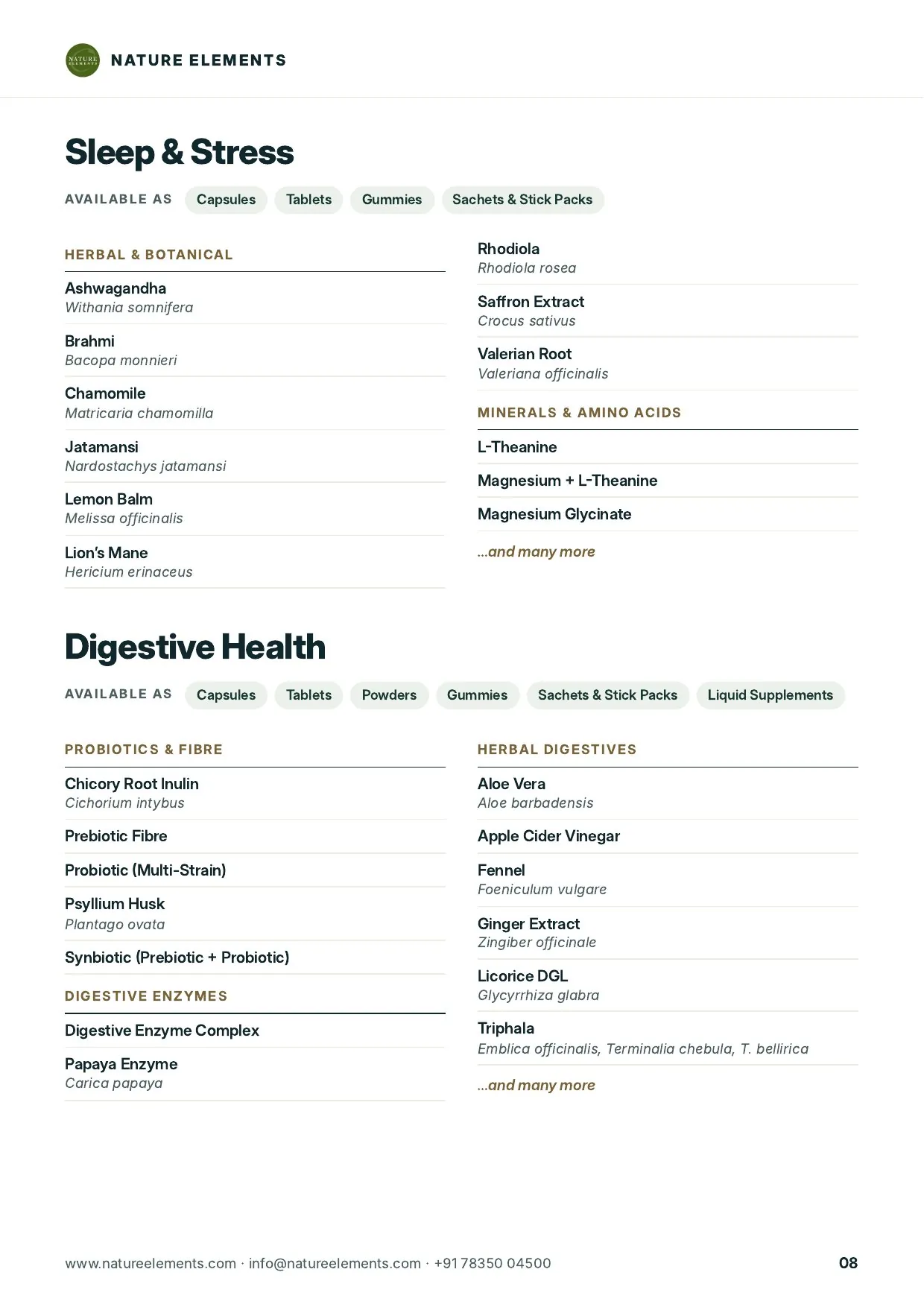
Capsules suit many botanical powders and extracts and keep excipients simple. Tablets can carry higher doses per unit and support coatings, but need a compressible formulation. Powders allow large doses — creatine and mineral blends are common examples — and sachets or stick packs make them portable.

Gummies are popular with consumers but are the most demanding format: actives must tolerate heat and moisture, dose per piece is limited and taste masking matters. We treat gummies as custom development, assessed for feasibility before any commitment.

The best starting point is the active itself: its dose, its stability and its taste. From there, the market and consumer decide between the remaining options.

Quality Control · 5 min read

What to Look For in a Certificate of Analysis

A COA is only useful if you know what to check. A short guide for buyers.

By Nature Elements5 November 2026

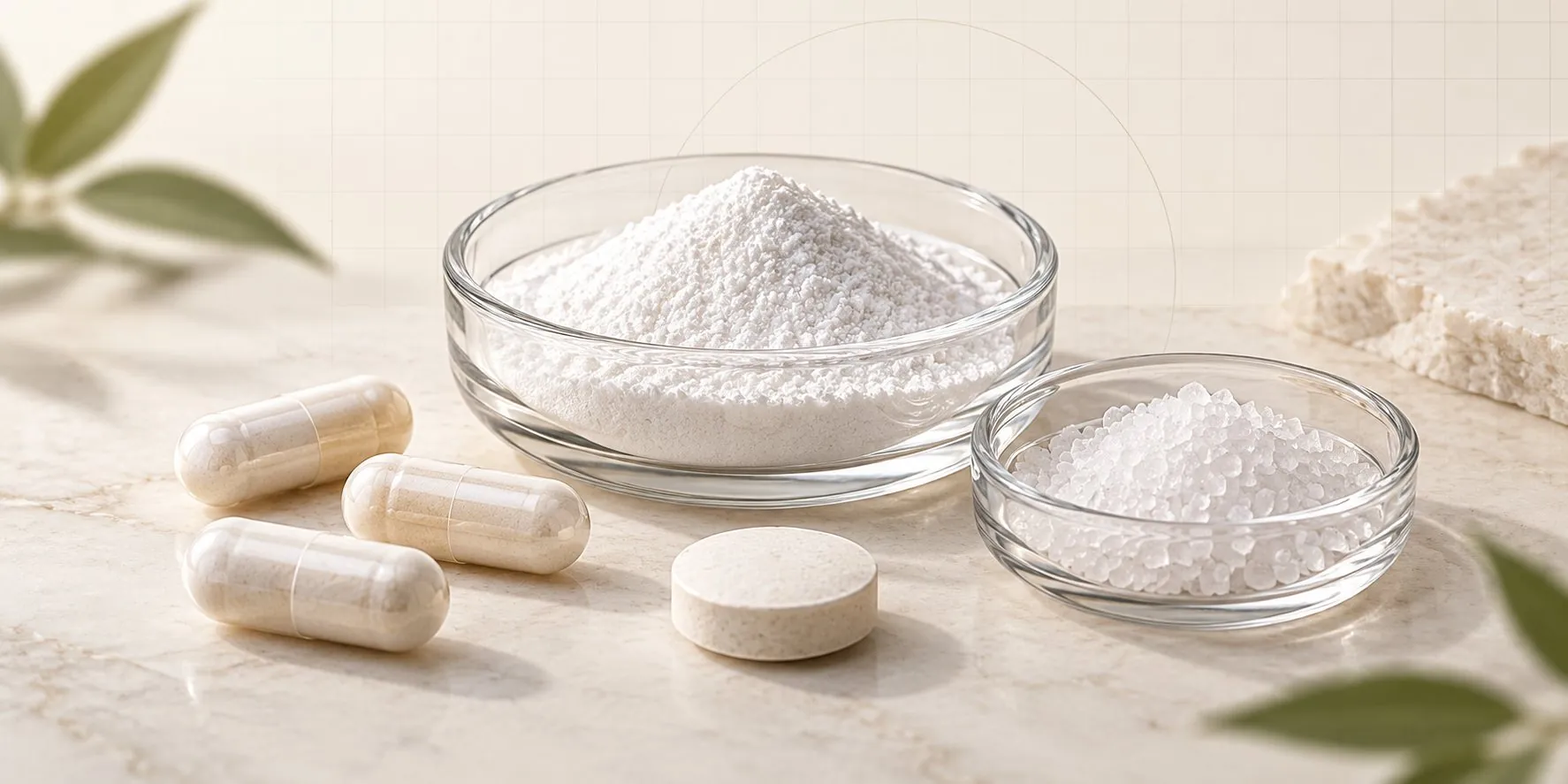
A certificate of analysis (COA) reports the results of testing on a specific batch against its specification. It should identify the product, batch number, manufacturing and expiry dates, and the specification each result is measured against.

Check that the tests match what matters for the product: identity, assay or standardisation, microbiology, heavy metals and, for botanicals, residual solvents or pesticides where relevant. Each result should state its method and limit.

Ask whether results come from in-house or independent laboratories. For high-value or sensitive materials, independent verification of a sample batch is a reasonable request.

Finally, compare the COA with the technical data sheet. The TDS describes what the product is meant to be; the COA confirms what this batch actually is.

Nutraceutical Ingredients · 5 min read

Magnesium Salts: A Formulator’s Overview

Why the choice of magnesium salt changes elemental content, dose size and format.

By Nature Elements4 November 2026

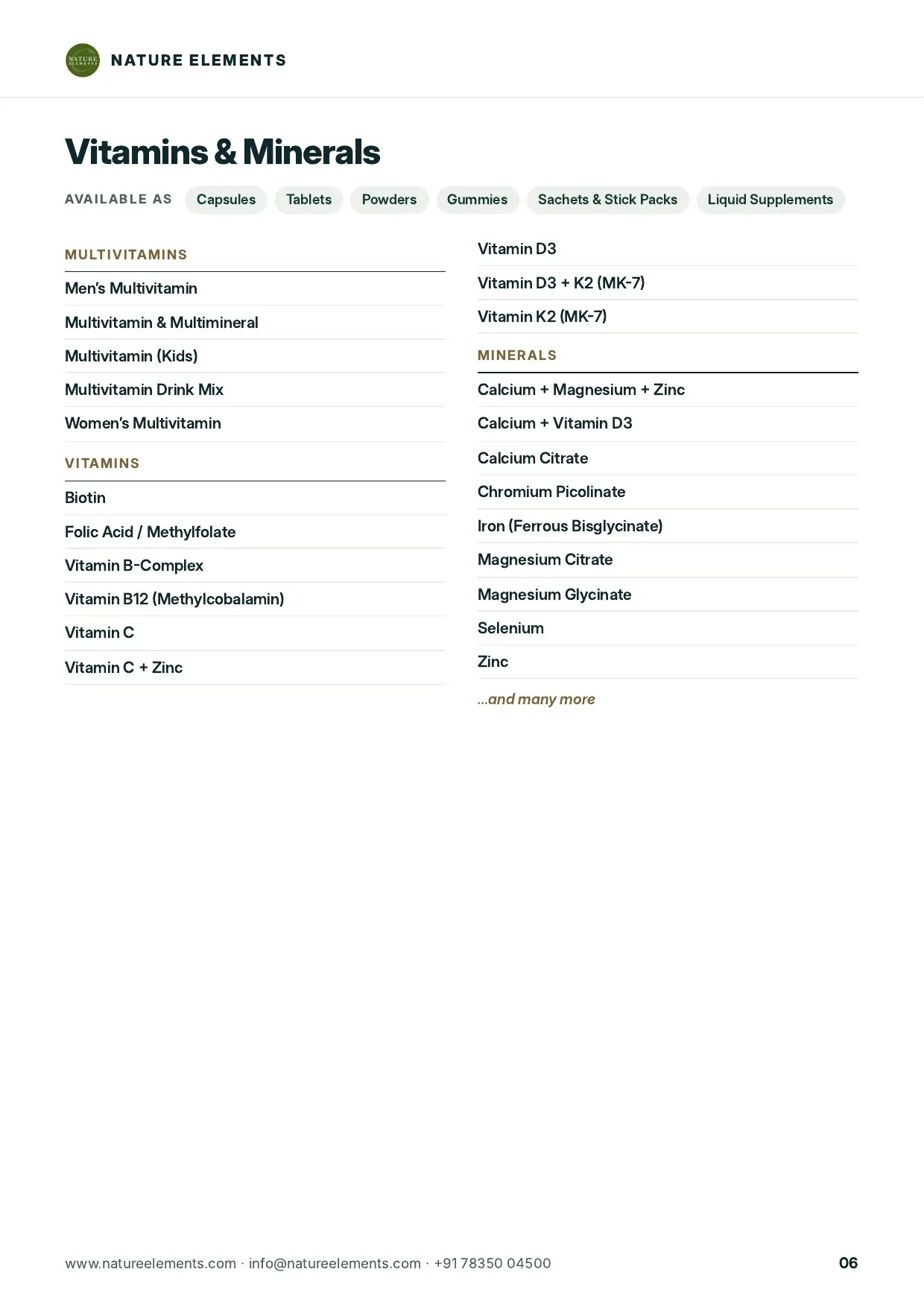
Magnesium is supplied as many different salts and chelates, and each carries a different proportion of elemental magnesium. That proportion drives how much material is needed per serving, which in turn affects capsule count or tablet size.

Chelated forms such as magnesium glycinate are widely used in supplements, while other salts are chosen for cost, density or format. Some magnesium compounds are not supplements at all: magnesium stearate is an excipient used as a lubricant in manufacturing.

When requesting a quotation, specify the salt, the elemental magnesium target per serving and the intended format. This lets the supplier confirm grade, density and feasibility up front.

We keep magnesium glycinate as its own product record and treat the wider magnesium range as a family, adding individual salts as they are confirmed.

Botanical Extracts · 7 min read

Extract Ratios and Marker Standardisation, Explained

What a 10:1 ratio or a marker percentage actually tells you about a botanical extract.

By Nature Elements4 November 2026

Botanical extracts are usually described in one of two ways: by extract ratio, or by standardisation to a marker compound. They answer different questions.

An extract ratio, such as 10:1, describes how much starting plant material was used to make a unit of extract. It says little about the content of any specific compound.

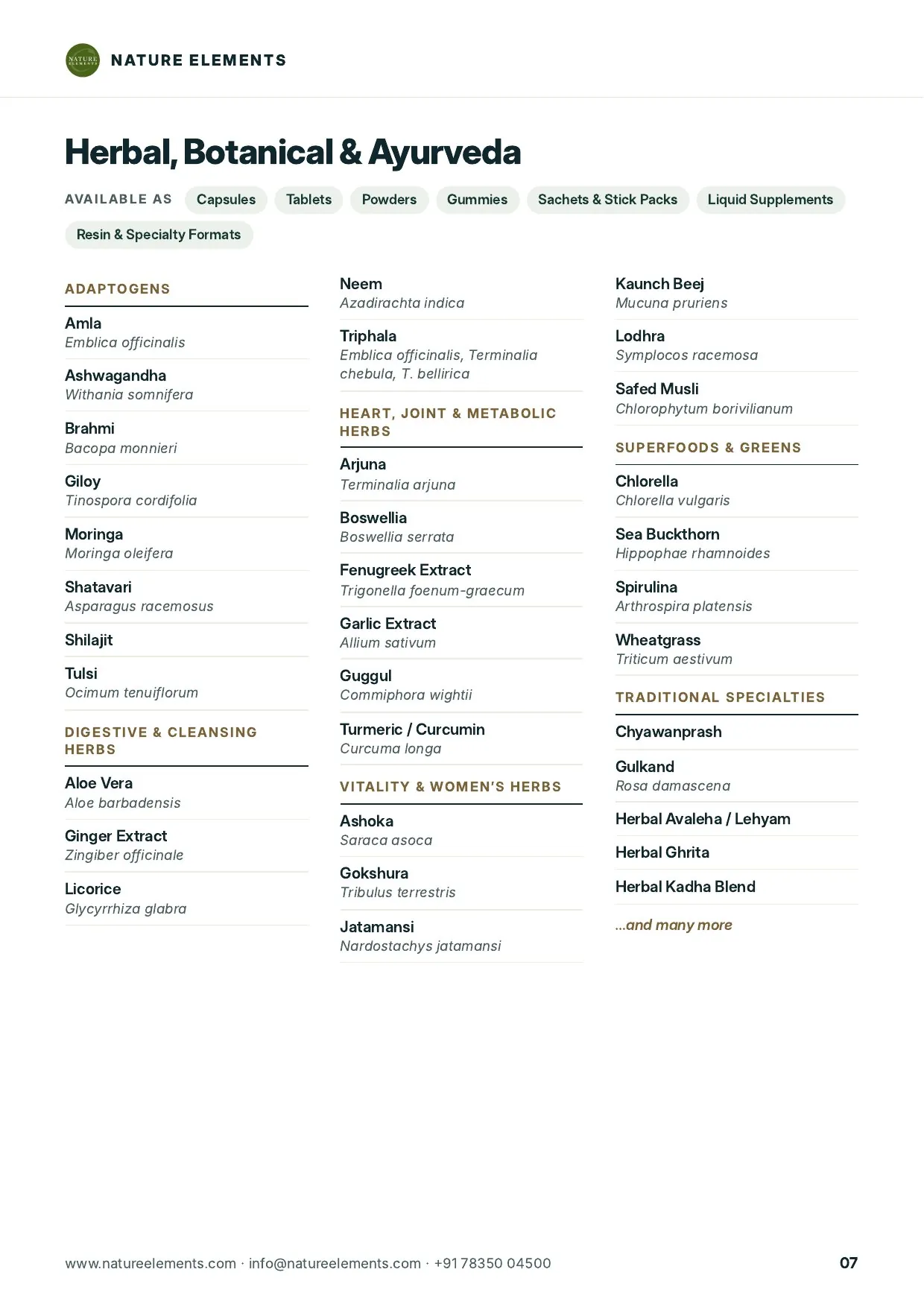
Marker standardisation states the content of a defined compound or group — for example withanolides in ashwagandha, or boswellic acids in boswellia — measured by a stated analytical method. It is generally more useful for consistency between batches.

When comparing quotations, make sure the ratio or marker, the analytical method and the plant part are the same. Otherwise the lower price may simply reflect a different material.

Global Sourcing · 6 min read

Qualifying a Botanical Supplier: A Buyer’s Checklist

The documents and questions that separate a reliable supply chain from a risky one.

By Nature Elements3 November 2026

Qualifying a botanical supplier starts with documents: specification, COA for recent batches, TDS and SDS, and the certifications held by the manufacturing facility.

Then ask about the supply chain itself: where the plant material is grown or collected, how it is identified, and how it is tested before and after processing.

A sample and an independent test of that sample remain one of the most practical checks. Compare the result against the supplier’s COA.

Finally, agree specifications in writing before the first order. Clear specifications protect both buyer and supplier when batches vary.

Packaging · 4 min read

Packaging Choices for Exported Supplements

Bottles, pouches, blisters or stick packs — and what changes when products travel.

By Nature Elements2 November 2026

Packaging for exported supplements has to protect the product through longer transit times and wider temperature ranges, while meeting the labelling rules of the destination market.

Moisture-sensitive products such as many powders, gummies and effervescents need effective barriers and, often, desiccants. Blisters protect individual doses; bottles and jars are flexible and familiar; pouches reduce shipping weight.

Bulk ingredients typically travel in lined drums or multi-wall bags, specified by the buyer and supplier together.

Labelling should be confirmed early. Artwork, language and mandatory information vary by market and are best settled before packaging is ordered.

Regulatory · 6 min read

Regulatory Considerations for New Supplement Markets

The questions to answer before launching a nutraceutical in a new country.

By Nature Elements2 November 2026

Every market classifies and regulates supplements differently. The same product might be a food supplement in one country, a traditional herbal product in another and require registration in a third.

Before launch, confirm how your product will be classified, which ingredients and levels are permitted, what label claims are allowed and what registration or notification is required.

Ingredient documentation from your supplier — specifications, COAs and origin information — is the foundation for most of these steps.

We recommend working with a regulatory adviser in the destination market. We coordinate product documentation to support that process; we do not provide regulatory approvals.

OEM/ODM · 5 min read

OEM, ODM and Private Label: What’s the Difference?

Three ways to bring a product to market, and what each means for ownership and speed.

By Nature Elements1 November 2026

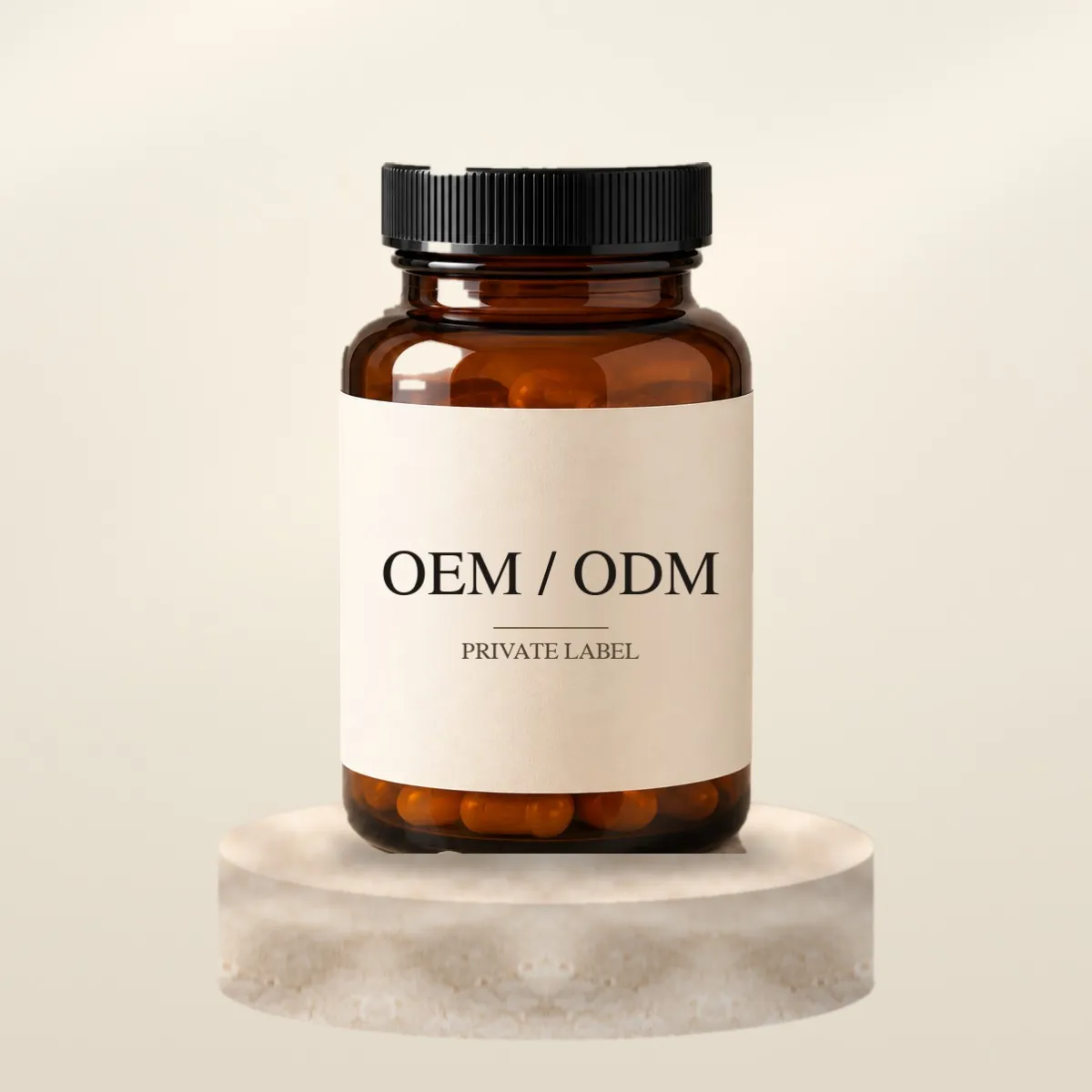
Private label usually means taking an existing formulation and selling it under your own brand. It is the fastest route to market, with the least development work.

OEM (original equipment manufacturing) means the product is made to your formulation and specification. You own the formula; the manufacturer supplies production capability.

ODM (original design manufacturing) means the supplier designs the product for you. The work is shared and ownership of the formulation is agreed contractually.

The right model depends on how differentiated your product needs to be, your timeline and your budget. We manufacture all three in our certified facility.

We use cookies

We use strictly necessary cookies to run this website and, with your consent, analytics cookies to understand how it is used. Read our Cookies Policy and Privacy Policy.